Few dental treatments attract as much confusion as cosmetic bonding. People hear the word “bonding” and imagine something flimsy, obvious, or temporary. Yet cosmetic bonding in University of Western Ontario is one of the gentlest, most conservative ways to refine a smile. At UCC Dental, patients ask excellent questions every week, so this post tackles the real ones directly and clears up the stubborn myths that keep people from a treatment they might love.
What Is Cosmetic Bonding, Really?
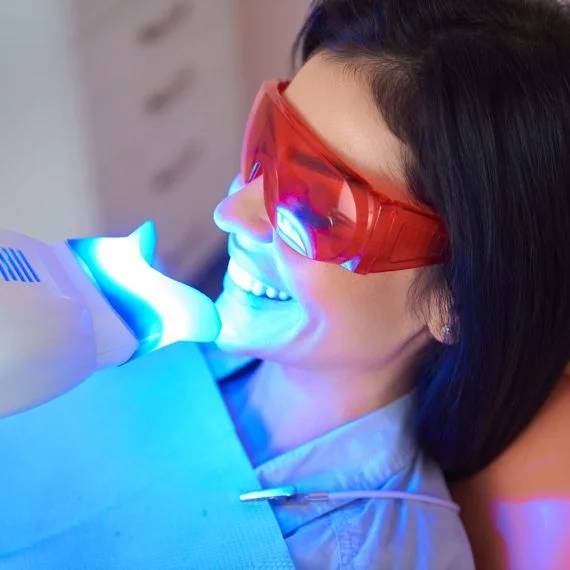
Cosmetic bonding applies a pliable, tooth-colored composite resin directly to a tooth, then hardens it with a curing light. Specifically, your dentist sculpts the resin to repair a chip, mask a stain, or smooth an uneven edge. Furthermore, the material is matched to your surrounding teeth, so the result blends in naturally. According to the Canadian Dental Association’s guidance on bonding and veneers, bonding is a practical way to improve the appearance of teeth that are chipped, cracked, discolored, or slightly misaligned.
Additionally, the whole process is usually finished in one appointment. Consequently, there is no waiting for a laboratory to fabricate anything. For busy students between lectures, that single-visit convenience matters.
Busting the Most Common Cosmetic Bonding Myths
Most hesitation comes from outdated assumptions. Therefore, let us address the big ones head on.
Myth 1: “Bonding Ruins Your Natural Teeth”
This is the myth we hear most, and it is simply untrue. Cosmetic bonding is conservative by design. Specifically, it usually requires little to no removal of healthy enamel, unlike some other cosmetic options. Modern adhesive techniques have advanced dramatically. In fact, a review in the Journal of Esthetic and Restorative Dentistry on adhesive dentistry notes that new dental adhesives and composite resins have undergone major transformations, becoming more user-friendly and reliable. Consequently, bonding protects your tooth structure rather than sacrificing it.
Myth 2: “Bonded Teeth Look Fake”
Quality composite resin is remarkably lifelike. Additionally, today’s materials come in multiple shades and translucencies, so your dentist can mimic natural enamel closely. A review of resin composite materials in Dental Materials describes a wide variety of formulations developed to meet both functional and esthetic demands. Therefore, when bonding is done carefully, most people cannot tell which tooth was treated.
Myth 3: “Bonding Only Fixes Chips”
Chips are common, but bonding does much more. For example, it can close small gaps, lengthen a short tooth, or cover a discolored patch. It can also restore worn areas near the gumline. Research on noncarious cervical lesions in the Journal of Prosthodontics discusses clinical guidelines for restoring these worn, saucer-shaped or V-shaped lesions when treatment is indicated. Consequently, bonding is versatile, not one-dimensional.
Myth 4: “It Lasts Forever” and “It Barely Lasts at All”
Both extremes are wrong. Bonding is durable but not permanent. Typically, it lasts several years with good care, though habits like nail-biting or chewing ice can shorten that. However, touch-ups are straightforward because the material can be repaired or refreshed without starting over.
Is Cosmetic Bonding Right for You?
Cosmetic bonding suits people who want a visible improvement without major treatment. Specifically, it works well for minor chips, slight gaps, and small shape corrections. However, it is not always the best choice for severe damage or large color changes, where crowns or veneers may serve better. The Ontario Dental Association’s overview of cosmetic dentistry explains how different procedures address different goals. Therefore, an honest exam is the only reliable way to know.
At UCC Dental, your dentist reviews your enamel, bite, and goals before recommending anything. Furthermore, if a different treatment fits better, you will hear that too. You can explore the full range of options on our cosmetic bonding service page.
Caring for Bonded Teeth
Maintenance is refreshingly simple. Brush twice daily, floss gently, and keep your regular checkups. Additionally, avoid using bonded teeth as tools to open packages. Because composite can stain over time, limit coffee, tea, and red wine when you can. Consequently, good oral hygiene habits keep your results looking crisp for years.
Why Patients Choose UCC Dental for Cosmetic Bonding
UCC Dental sits right inside Western University’s University Community Centre in London, Ontario, which makes appointments easy to fit between classes or meetings. Moreover, the clinic accepts the Canadian Dental Care Plan (CDCP) and focuses on short wait times and punctual visits. The team uses digital imaging and intraoral cameras, so you can actually see what we see before any decision. To ask a question or arrange a consultation, visit our contact page.
Frequently Asked Questions
Does cosmetic bonding hurt?
Usually not. Specifically, most bonding needs no anesthetic because little or no drilling is involved. However, if bonding is placed near a sensitive area, your dentist may use a local numbing agent for comfort.
How much enamel is removed for bonding?
Very little, and often none. Consequently, bonding is considered one of the most conservative cosmetic treatments available, which is a major reason patients prefer it over more invasive options.
Can bonding be whitened later?
No. Composite resin does not respond to whitening gels the way natural enamel does. Therefore, many patients whiten their teeth first, then match the bonding to the brighter shade.
How long does a bonding appointment take?
Typically between 30 and 60 minutes per tooth. Furthermore, because there is no laboratory step, most patients walk out with a finished result the same day.
Ready to See Your Options?
If a chipped or uneven tooth has been bothering you, cosmetic bonding may be a simpler fix than you expect. Book a consultation with the team at UCC Dental, and get clear, honest answers tailored to your smile. Call or reach us through our contact page today.
Sources & References
- Canadian Dental Association: Bonding and Veneers
- Ontario Dental Association: Cosmetic Dentistry
- Adhesive dentistry: Current concepts and clinical considerations (J Esthet Restor Dent, 2021)
- Resin composite: state of the art (Dent Mater, 2011)
- Noncarious cervical lesions: clinical guidelines for restoration (J Prosthodont, 2023)