Quick Answer
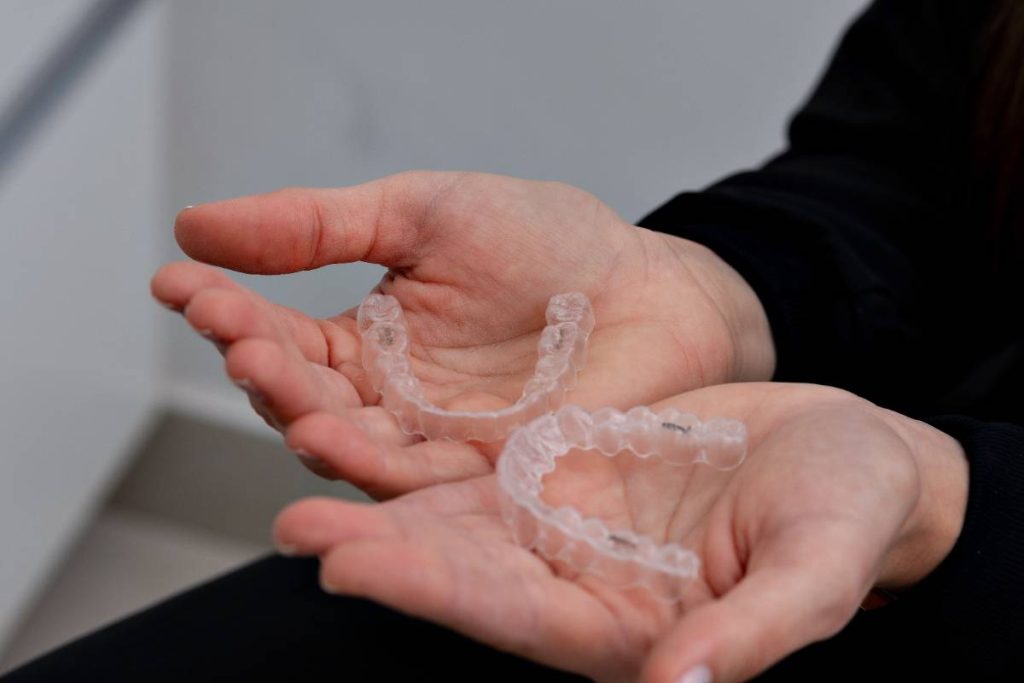
Clear aligners for Western students are removable, transparent trays that gradually straighten teeth without metal brackets. At UCC Dental, located inside Western University’s University Community Centre, treatment starts with a digital scan, progresses through a series of custom trays, and finishes with retainers. Furthermore, the process fits neatly around lectures, exams, and campus life.
Straightening your teeth between seminars and study sessions sounds ambitious, yet clear aligners for Western students make it genuinely realistic. These transparent trays sit snugly over your teeth and shift them a little at a time. Consequently, you can improve your smile without the visibility or dietary limits that traditional braces bring. This guide walks through exactly what happens at each stage, so you feel informed and in control from your first appointment onward.
What Clear Aligners Actually Are
Clear aligners are a series of custom-made, see-through trays that move your teeth into better alignment. Specifically, each tray applies gentle pressure to a targeted group of teeth. You wear one set for a week or two, then swap it for the next in the sequence. Additionally, because the trays are removable, you take them out to eat, brush, and floss normally.
UCC Dental offers clear aligners as part of its orthodontic services on campus. The clinic explains every option in plain language, so you understand the plan before it begins. Moreover, the team follows professional standards set by the Ontario and Canadian Dental Associations, which means your care stays consistent and evidence-based.
The Step-by-Step Clinical Process
Here is what to expect, stage by stage, when you begin clear aligner treatment at UCC Dental.
Step 1: The Consultation and Digital Scan
First, your dentist reviews your bite, oral hygiene, and overall goals. Next, a digital scanner captures a precise 3D model of your teeth without messy putty impressions. Consequently, you skip the gagging trays that older methods relied on. The scan then guides a virtual treatment map that previews your projected results.
Step 2: Receiving Your Custom Trays
Once your aligners arrive, your dentist confirms the fit and explains the wear schedule. Typically, you wear each tray for 20 to 22 hours a day. Additionally, you remove them only for meals, drinks other than water, and cleaning. Following this routine closely keeps your treatment on track.
Step 3: Progress Checks
Throughout treatment, you return for brief check-ins. During these visits, your dentist confirms the teeth are tracking correctly and hands over your next sets of trays. Furthermore, campus location makes these quick appointments easy to slot between classes.
Recovery and Comfort Expectations
Clear aligners do not require surgery, so there is no true recovery period in the traditional sense. However, you should expect mild tightness when you switch to a new tray. This pressure signals that the aligner is working, and it usually fades within a day or two. Specifically, over-the-counter pain relief and cold water can ease early soreness.
Your speech may feel slightly different for the first few days, particularly with certain “s” sounds. Fortunately, most people adjust quickly and speak normally within a week. Additionally, keeping your trays and teeth clean prevents irritation and protects your periodontal health. According to the Canadian Dental Association, consistent daily oral hygiene remains essential during any orthodontic treatment.
Why Clear Aligners Suit Student Life
Campus schedules are unpredictable, and aligners flex around them well. Because the trays are removable, you eat whatever you like on late study nights. Moreover, their near-invisible appearance keeps you confident during presentations, interviews, and photos. UCC Dental also accepts the Canadian Dental Care Plan, which can help make treatment more affordable for eligible students.
Discipline matters most for success. Consequently, wearing your trays for the full recommended hours each day determines how quickly you finish. The Ontario Dental Association encourages patients to follow their dentist’s guidance closely for the best long-term outcomes.
Finishing With Retainers
After your final aligner, teeth can drift back toward their original positions. Therefore, retainers become the crucial last step. UCC Dental provides retainers to lock in your results, and wearing them as directed protects the investment you just made. Explore the full range of treatments on the clinic’s dental services page to see how aligners and retainers work together.
Frequently Asked Questions
How long does clear aligner treatment take?
Treatment length varies with each case, but many students complete it within six to eighteen months. Specifically, minor corrections finish faster, while complex movements take longer. Your dentist gives you a realistic timeline after the initial scan.
Do clear aligners hurt?
They cause mild pressure rather than sharp pain, especially when you start a new tray. However, this sensation usually eases within a day or two. Most students describe it as tightness rather than discomfort.
Can I eat with my aligners in?
No, you should remove your trays before eating or drinking anything except water. Additionally, this protects the aligners from staining and damage. Always brush before putting them back to keep your teeth healthy.
Will I need to wear a retainer afterward?
Yes, retainers are essential to maintain your new smile. Without them, teeth gradually shift back over time. UCC Dental provides retainers and explains exactly how often to wear them.
Book Your Consultation
Ready to explore clear aligners on campus? The team at UCC Dental, located inside Western University’s University Community Centre in London, is ready to help. Visit the contact page to schedule your consultation and start with a personalized assessment.