Quick Answer
An oral cancer screening at UCC Dental is a quick, painless check of your mouth, tongue, and throat for early warning signs. For students at Western University, it doubles as a window into systemic wellness, because the same inflammation linked to gum disease is also tied to heart disease and diabetes. Book one during your routine checkup and protect far more than your smile.
Your mouth talks. Specifically, it often flags problems long before the rest of your body does. An oral cancer screening in University of Western Ontario is one of the fastest exams you will ever have, yet it can catch the earliest signs of disease when treatment is most effective. At UCC Dental, tucked inside the University Community Centre, we treat this screening as more than a box to tick. Instead, we see it as a checkpoint for your overall health.
Here is the connection that surprises most students. The condition of your gums and soft tissues mirrors what is happening deeper inside you. Consequently, a careful look inside your mouth can hint at risks to your heart, your blood sugar, and your immune resilience.
What an Oral Cancer Screening Actually Involves
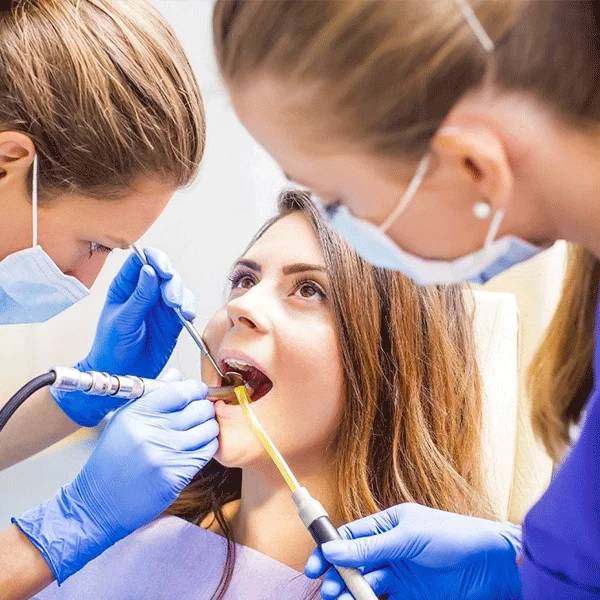
An oral cancer screening is a visual and physical examination of your lips, tongue, cheeks, gums, and the floor and roof of your mouth. Your dentist gently feels for lumps, checks for unusual patches, and looks for sores that have not healed. Furthermore, the entire process usually takes only a few minutes and causes no discomfort.
We look specifically for red or white patches, persistent ulcers, thickened tissue, and any numbness you cannot explain. According to the Canadian Dental Association, early detection dramatically improves outcomes, which is exactly why we fold this check into your regular exam.
Why Students Are Not Exempt
Many young adults assume oral cancer only affects older smokers. However, changing risk factors, including certain viral exposures, have shifted the picture. Additionally, late nights, stress, energy drinks, and irregular dental visits during exam season can quietly undermine your oral health. A screening therefore gives you peace of mind during a demanding chapter of life.
The Link Between Oral Health and Whole-Body Wellness
Your gums are not sealed off from the rest of you. In fact, chronic inflammation in the mouth can travel. When bacteria from untreated gum disease enter the bloodstream, they contribute to inflammation elsewhere, and researchers have repeatedly connected this to broader health concerns.
Heart Health and Your Gums
Cardiovascular disease and periodontal disease share a common enemy: inflammation. Specifically, the same inflammatory response that damages gum tissue is associated with the buildup that narrows arteries. Consequently, keeping your gums healthy is one small, practical way to support your heart. A screening appointment is the perfect moment to address early gum problems before they spread.
Diabetes and Blood Sugar Control
The relationship between diabetes and oral health runs both ways. High blood sugar makes gum infections more likely, and active gum infections make blood sugar harder to control. Therefore, students managing diabetes benefit enormously from consistent periodontal care. During your visit, we can flag warning signs and coordinate care that supports your overall stability.
How UCC Dental Screens and Supports Students in University of Western Ontario
Because we sit right inside the University Community Centre, an oral cancer screening in University of Western Ontario fits neatly between lectures. We combine modern digital imaging with a warm, plain-language explanation of everything we find. Moreover, we never rush you out the door with jargon you cannot decode.
If we spot something that needs monitoring, we explain the next steps clearly and calmly. We also pair screenings with restorative and preventive care, including professional cleaning, scaling and root planing, and routine exams, so your whole mouth stays healthy. Following guidelines from the Royal College of Dental Surgeons of Ontario, we hold ourselves to strict professional standards on every visit.
Additionally, we accept the Canadian Dental Care Plan, which makes preventive care more affordable for eligible students and staff. As a result, cost becomes far less of a barrier to protecting your long-term health.
Simple Habits That Amplify Your Screening
A screening works best alongside daily oral hygiene. Brush twice a day, floss consistently, and limit sugary drinks that fuel bacteria. Furthermore, report any sore that lingers beyond two weeks rather than waiting for your next appointment. These small habits protect both your smile and your systemic wellness.
Frequently Asked Questions
How often should students get an oral cancer screening?
Most students benefit from a screening once a year, typically during a routine dental exam. However, if you use tobacco, drink heavily, or notice unusual changes, we may recommend checking more often.
Does an oral cancer screening hurt?
No. The screening is quick and painless. Your dentist simply looks at and gently feels the tissues in your mouth and neck, and the entire process takes only a few minutes.
Can gum health really affect my heart and blood sugar?
Yes. Chronic gum inflammation is linked to cardiovascular disease and poorer blood sugar control. Consequently, caring for your gums supports both your oral and overall health.
Can I get a screening at UCC Dental with the Canadian Dental Care Plan?
Absolutely. We accept the CDCP, which helps eligible students and staff access preventive care, including screenings and cleanings, affordably.
Book Your Screening Today
Protecting your health does not require a huge time commitment. A few minutes in our chair can catch problems early and keep your whole body healthier. Ready to schedule? Contact UCC Dental and book your oral cancer screening on campus today.