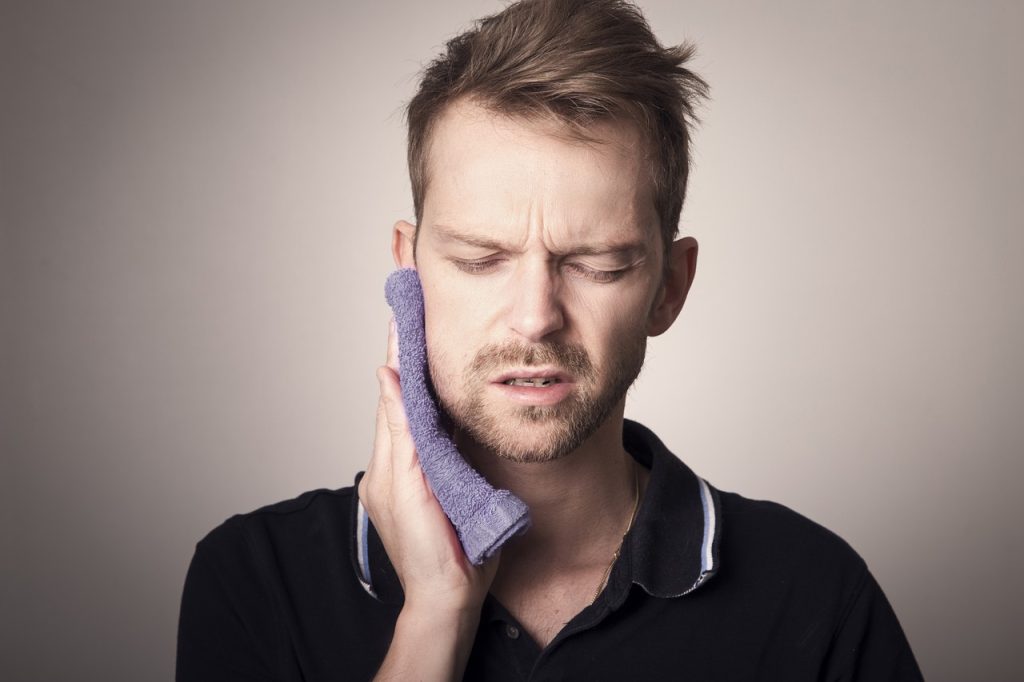
Quick Answer: Yes. Exam stress can affect your teeth and jaw. Many students clench or grind more during finals, skip brushing and snack more often. Watch for morning jaw soreness, headaches, new tooth sensitivity, chipped edges and bleeding gums. If any of these last more than a week or two, book a dentist appointment.
November at Western has a familiar feel. The days get shorter, the library stays full late into the evening, and final exams are getting close. It is also the time of year when many students notice something odd: a stiff jaw at breakfast, a dull headache by noon, or a tooth that suddenly reacts to cold coffee. Exam stress and your teeth are more closely linked than most people expect. At UCC Dental, inside Western University’s University Community Centre, our dental team sees these patterns every fall. This guide explains what stress can do to your mouth, which warning signs matter, and when a quick visit makes sense.
How Exam Stress Affects Your Teeth and Jaw
Stress mostly harms your teeth through habits rather than directly. When you are anxious, your body stays tense, and the jaw muscles are often the first to tighten. As a result, many people clench during the day without noticing. Others grind at night, which is called bruxism.
Anxiety during the school year is common, too. For example, a 2022 systematic review and meta-analysis in the Journal of Child Psychology and Psychiatry pooled 64 studies to estimate how often college students report anxiety and depression symptoms. So if you feel the pressure, you are far from alone. However, your teeth can quietly pay the price.
Clenching and grinding
Grinding places heavy, repeated force on enamel. Over weeks, that force can flatten biting surfaces, chip front edges and strain the muscles that open and close your mouth. Consequently, the jaw can feel tired or sore, especially in the morning.
Routine slips during finals
Late nights change daily habits. Students often skip flossing, fall asleep without brushing, or sip sweet coffee and energy drinks for hours. Additionally, constant snacking keeps your teeth exposed to sugar and acid. Dry mouth from stress and dehydration also reduces saliva, which normally helps protect enamel.
Warning Signs to Watch For During Exam Season
The most useful signs are the ones you can feel or see yourself. Specifically, pay attention to these:
- Jaw soreness or stiffness when you wake up
- Headaches near the temples, especially in the morning
- Clicking or tightness when you open wide
- New sensitivity to hot, cold or sweet foods
- Small chips, cracks or flattened edges on your teeth
- Gums that bleed when you brush
- A roommate mentioning that you grind in your sleep
One sign on its own is not a cause for alarm. Still, if symptoms build or linger past the end of exams, they deserve a closer look. Furthermore, sensitivity that suddenly gets sharper can point to a crack or a cavity, and those are much easier to fix early.
Simple Habits That Protect Your Teeth Before Finals
Small changes make a real difference, even in a busy week. First, try a quick jaw check while you study. Your lips should touch, but your teeth should stay slightly apart, with your tongue resting gently on the roof of your mouth.
Next, keep a water bottle at your desk. Water helps with dry mouth and rinses away food after snacks. In addition, choose snacks like cheese, nuts or crunchy vegetables instead of grazing on sweets all evening. If you drink coffee, try to finish it in one sitting rather than sipping for three hours.
Brushing before bed matters most during exam season. Even if you are exhausted, two minutes with fluoride toothpaste protects your enamel overnight. Meanwhile, managing stress itself also helps your mouth. A systematic review in the International Journal of Environmental Research and Public Health examined how cognitive behavioural programs and meditation strategies affect stress, anxiety and depression in students. Short breathing breaks between study blocks can also remind you to unclench.
When to Book a Dentist Appointment for Exam Stress Symptoms
Book a dentist appointment if jaw pain, headaches or sensitivity last more than a week or two. You should also come in right away for a broken tooth, swelling or pain that keeps you up at night. Otherwise, the end of the fall term is a sensible time for a checkup before the holidays.
According to the Canadian Dental Association, regular checkups help catch problems early, often before you notice symptoms. During a visit, your dentist can look for wear patterns that suggest grinding. Our office also uses digital X-rays and intraoral cameras, so you can see what we see on screen.
How a night guard can help
If grinding is the problem, a custom night guard is one practical option. It sits over your teeth while you sleep and absorbs the force that would otherwise wear down enamel. You can read more about how we fit them on our night guards for bruxism page. If stress has already caused damage, we can also discuss fillings, bonding or other repairs, depending on what the exam shows.
Why Students Choose UCC Dental During the School Year
Our clinic is in Room 35 of the UCC Building, right on campus. Therefore, you can fit a visit between classes without a bus ride across London. We focus on short wait times and punctual appointments, which matters when every hour counts before finals. We also accept the Canadian Dental Care Plan (CDCP) and follow the standards of the Ontario Dental Association and the Canadian Dental Association.
If dental visits make you nervous, tell us. We build personalized care plans and move at a pace that feels comfortable, because exam season is stressful enough already.
Frequently Asked Questions
Can stress really cause tooth pain?
Indirectly, yes. Stress often leads to clenching and grinding, which can make teeth sore or sensitive. It can also lead to skipped brushing and more sugary snacks, which raise cavity risk.
How do I know if I grind my teeth at night?
Common clues include morning jaw soreness, temple headaches and flattened or chipped tooth edges. A roommate may also hear it. Your dentist can confirm grinding by checking for wear patterns during an exam.
Will jaw soreness go away after exams end?
Mild soreness often eases once stress drops. However, if it lasts more than a week or two, or your jaw clicks or locks, book a dentist appointment so the cause can be assessed.
Should I wait until after finals to see a dentist?
Routine checkups can wait until the term ends. On the other hand, a broken tooth, swelling or pain that disrupts sleep should be seen promptly, since early care is usually simpler.
Book Your Visit at UCC Dental
Your exams deserve your full attention, and a sore jaw should not compete for it. If you have noticed any of the signs above, our team at UCC Dental is just steps away in the University Community Centre. Contact us to book your appointment and head into finals feeling a little lighter.
Sources & References
- Canadian Dental Association: Regular Dental Checkups
- Prevalence and associated factors of depression and anxiety symptoms among college students: a systematic review and meta-analysis (J Child Psychol Psychiatry, 2022)
- Use of Meditation and Cognitive Behavioral Therapies for the Treatment of Stress, Depression and Anxiety in Students (Int J Environ Res Public Health, 2019)